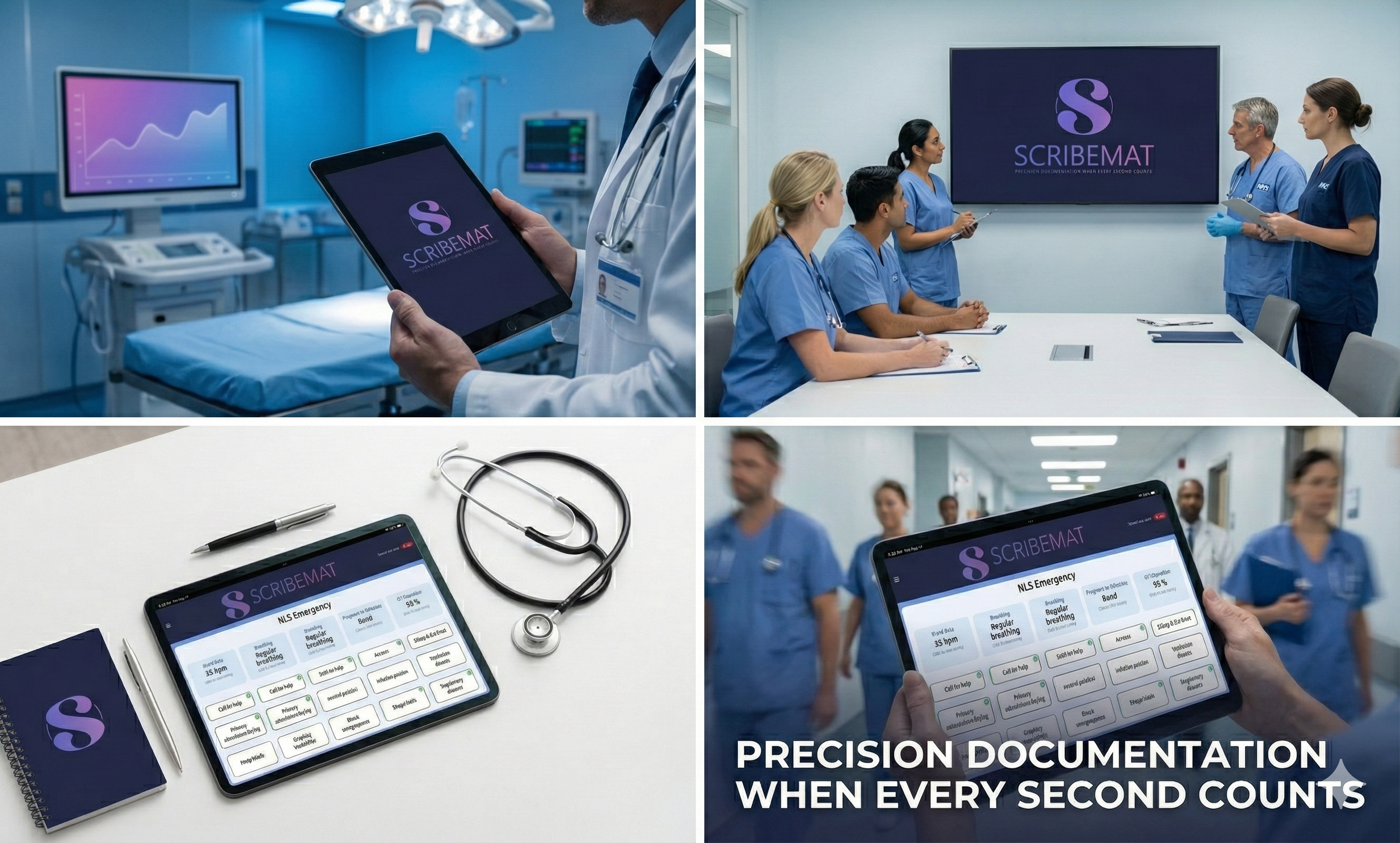
Precision documentation when every second counts.
ScribeMat is a purpose-built digital scribing and decision-support platform designed specifically for obstetric emergencies. Engineered for extreme time pressure and high cognitive load.
The problem
Emergency obstetric care faces unique documentation challenges
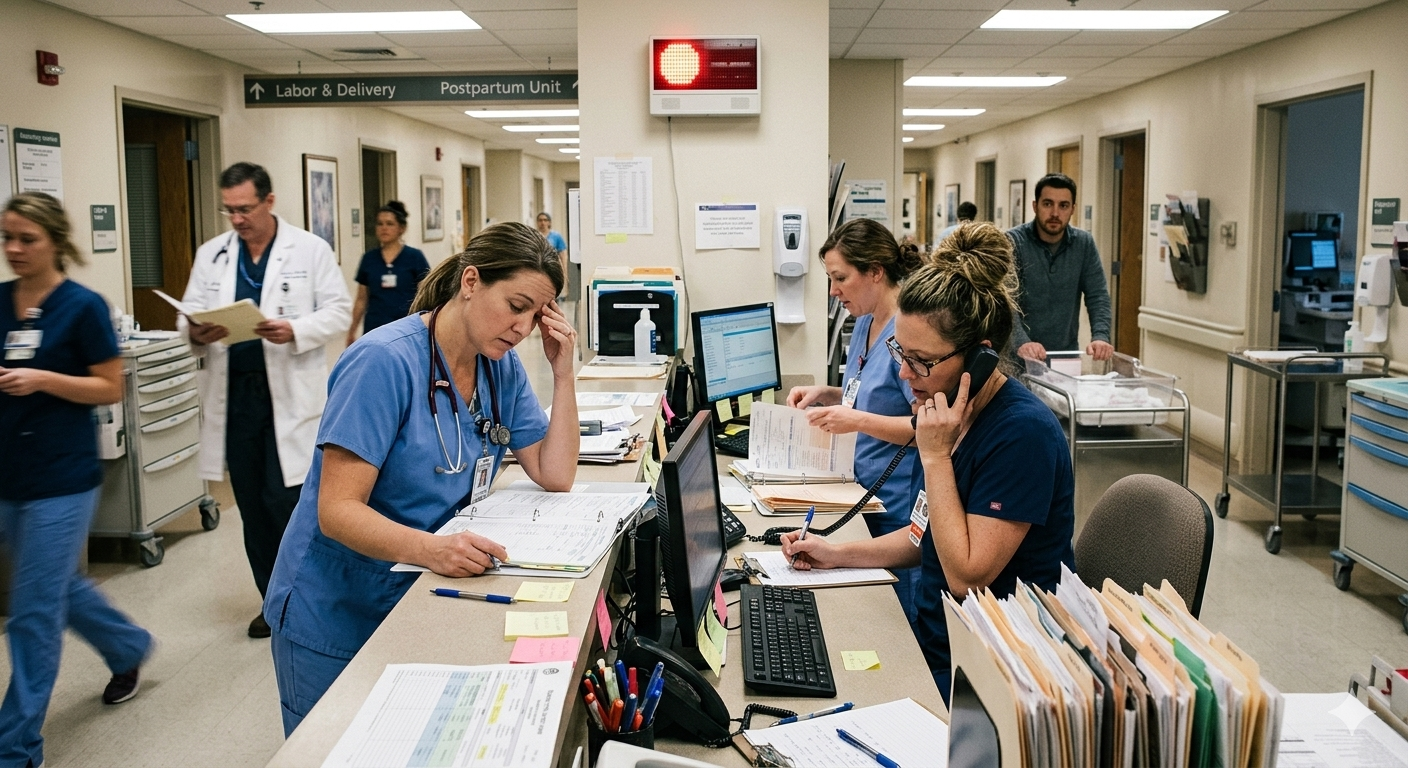
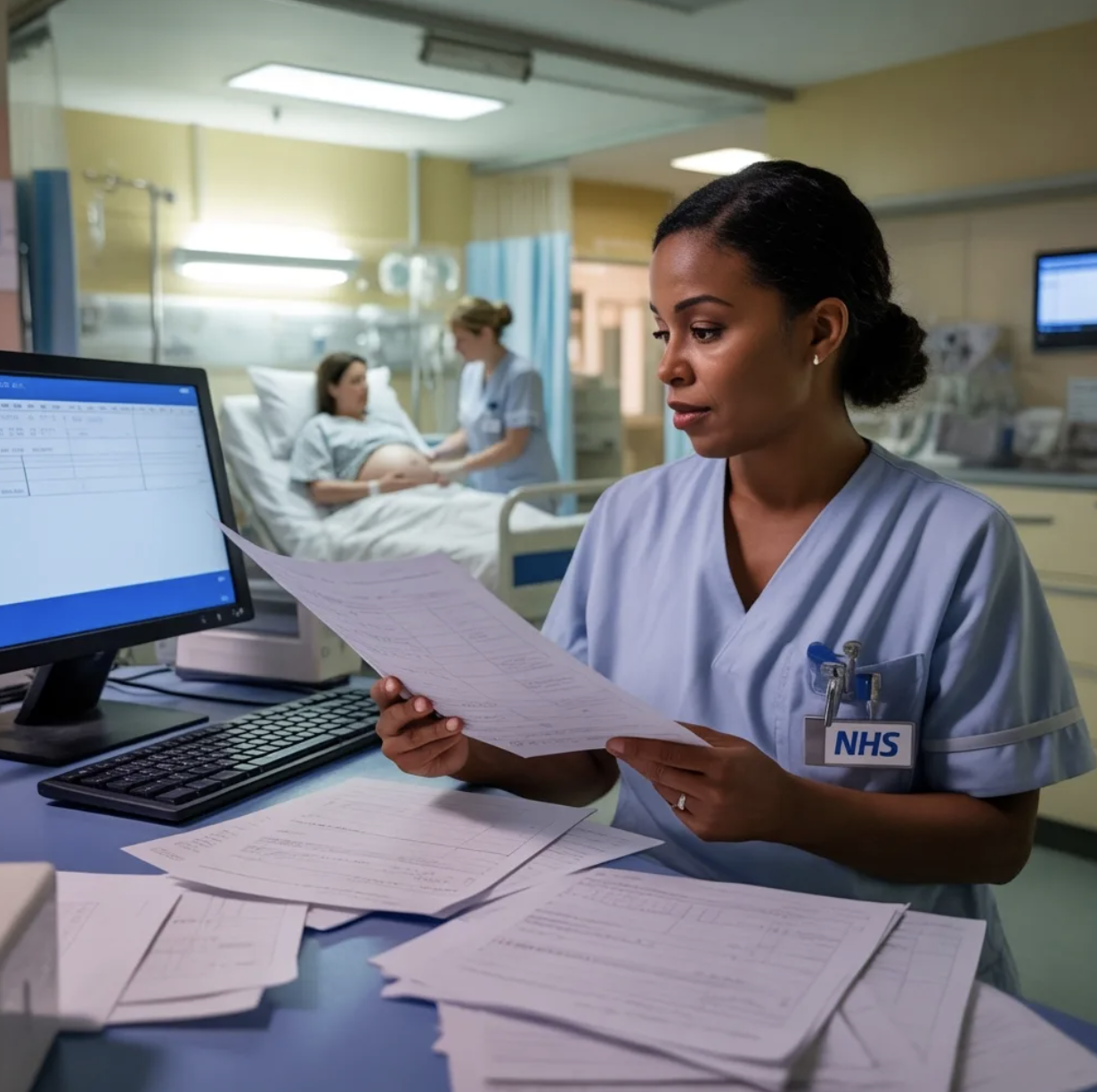
Reverting to paper
In emergencies, clinicians revert to paper proformas or reconstruct notes retrospectively, creating fragmentation and data gaps.
Cognitive overload
High-pressure situations make it difficult to calculate and trend safety-critical information in real time, increasing risk.
Retrospective gaps
Retrospective transcription leads to incomplete data, weaker incident investigations, and missed health inequalities.
Key features
Built for the realities of high-pressure emergency care
Real-time documentation
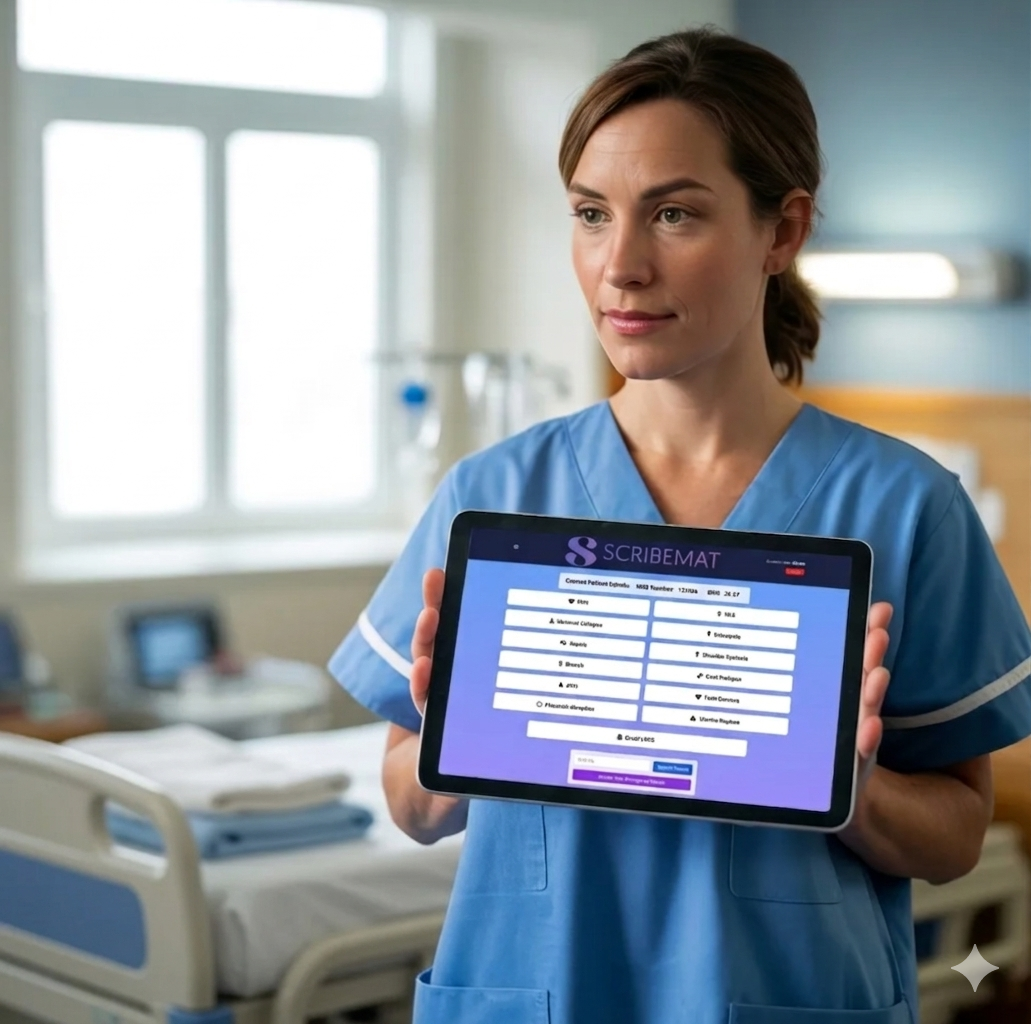
Touch-based interface with automated time-stamping enables clinicians to capture key actions and interventions as they happen—no more retrospective note reconstruction.
Safety-critical data tracking
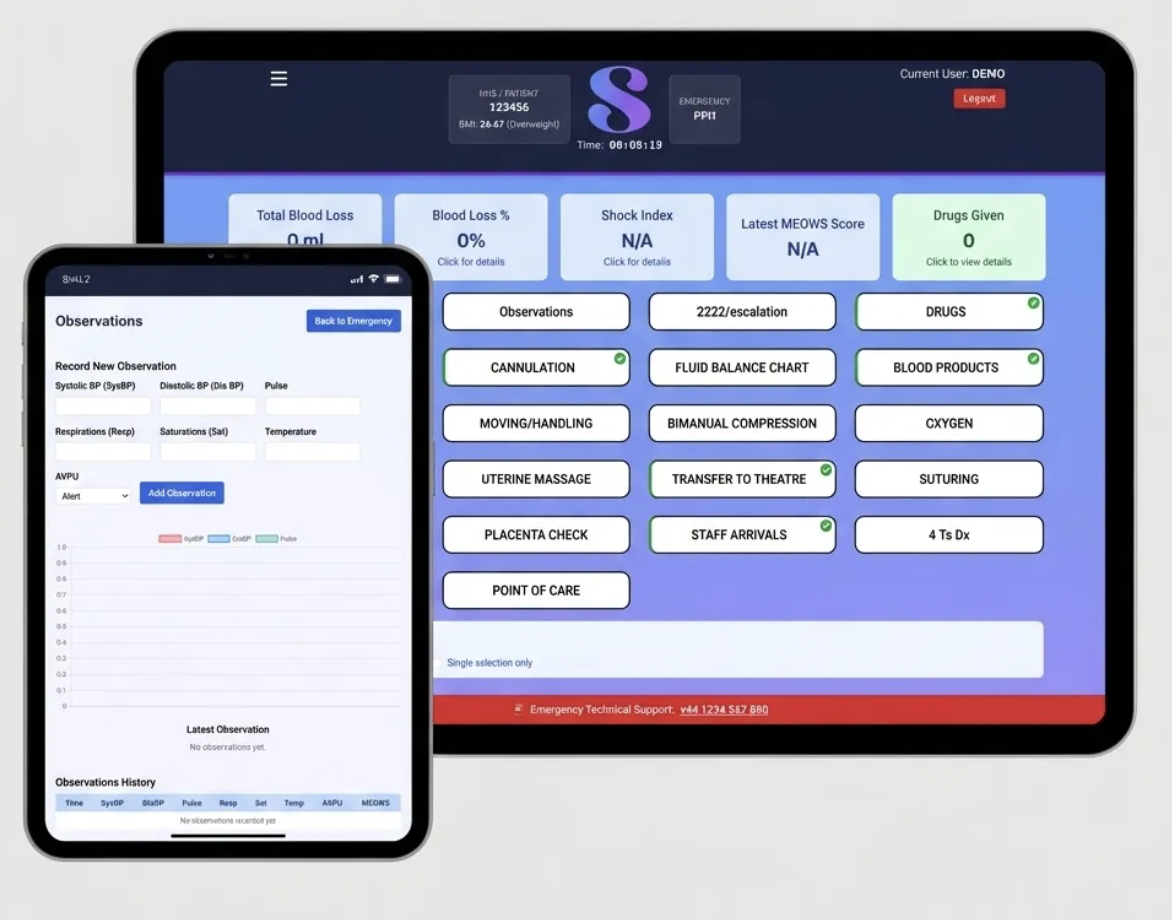
Cumulative blood loss, physiological scores (e.g., MEWS), and visual trend recognition are calculated and displayed automatically, reducing cognitive load.
Clinical flexibility
Structured controls with clinician override when clinical judgement requires deviation. The system supports, never constrains.
Complements your EPR
FHIR-ready structured export
ScribeMat is designed to work alongside existing electronic patient record systems. Export structured emergency data using FHIR standards to reduce duplication and support governance workflows.
Who it helps
Better outcomes for everyone involved in maternity care
Maternity teams
Reduces administrative burden and cognitive load. Clinicians return sooner to patient care and debrief, supported by clear contemporaneous records.
Trust governance
High-quality structured data for audit, identifying variation and addressing health disparities. Evidence-based decision making at scale.
Women & families
Improved staff availability post-emergency supports bonding and may mitigate distress. Better outcomes through better documentation.
Evidence & innovation
Grounded in research, aligned with NHS priorities
Clinician-led by practising NHS midwife, co-designed with cybersecurity specialist
Grounded in human-factors research (Master's dissertation)
Undergoing simulation-based testing with System Usability Scale (SUS)
Strategic alignment: Ockenden Report, NHS Long Term Plan, Core20Plus5 goals
Moving toward live clinical pilot at Mid and South Essex NHS Foundation Trust
What clinicians say
Early feedback from simulation testing and pilot discussions
“This would have made such a difference during that emergency last month. Everything was so clear on screen.”
Simulation participant
Maternity unit
“The cognitive load reduction is immediate. I could focus on the patient, not on remembering what to write down.”
Simulation participant
Maternity unit
“Finally, a system that understands what we actually need in an emergency. Not another checkbox exercise.”
Simulation participant
Maternity unit
Frequently asked questions
Everything you need to know about ScribeMat
Ready to transform emergency documentation?
Join the pilot programme and help shape the future of obstetric care.